Air Quality Alert
Wildfire Smoke Expected to Impact Pennsylvania
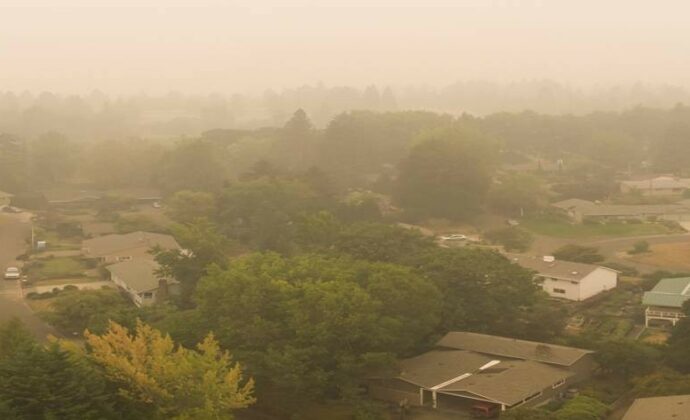
Smoke from large wildfires in Canada is affecting air quality across Pennsylvania. Air quality is expected to change from day to day over the next one to two weeks as weather patterns shift.
While it is not possible to predict the exact air quality for each day, additional periods of smoky air are possible until winds and weather improve. If you or someone you support needs additional resources for understanding the air quality risk, we encourage you to review AIDinPA’s Air Quality Alert Social Story.
Why this matters
Wildfire smoke contains tiny particles called PM2.5 that are small enough to travel deep into your lungs and even enter your bloodstream.
Exposure to smoky air can cause:
- coughing,
- sore throat,
- burning eyes,
- shortness of breath,
- chest pain,
- worsening asthma or COPD,
- and increased risk of heart problems for some people
Extra precautions are recommended for:
- Children and teens
- Adults age 65 and older
- Pregnant people
- People with asthma, COPD, heart disease, or diabetes
- Anyone who works or exercises outdoors
How to protect yourself:
- Spend less time outdoors.
- Move sports, exercise, and other activities indoors if possible.
- Keep windows and doors closed.
- Use air conditioning on the recirculate setting if available.
- Run a portable air cleaner with a HEPA filter if you have one.
- If you must be outside for a long time, wear a well-fitting N95 respirator.
- If you have asthma or another lung condition, keep your rescue inhaler and medications nearby
- and follow your healthcare provider’s instructions.
Looking Ahead
Smoke conditions can change quickly depending on wind direction and wildfire activity. Additional periods of poor air quality are possible during the next two weeks.
Check the daily forecast before spending long periods outdoors and be prepared to change outdoor plans if air quality worsens.
Seek Medical Care Immediately If You Experience:
- Difficulty breathing
- Chest pain
- Severe coughing
- Symptoms that continue after moving indoors
Stay Informed
Check the daily Air Quality Index (AQI) on AirNow.gov before going outside.